
Moving to Portugal: NIF, Residency and a Bank Account
Moving to Portugal? Arrange Your NIF, Residency & Bank Account First (Learn From Our Mistakes) Nobody warns you about this
One of the questions we get most often from guests when they arrive is: “What should we really see while we’re here?”And it’s a fair question. Central Portugal may be one of the country’s less touristy regions, but it is packed with history, culture and incredible places to explore — from UNESCO-listed monasteries and Europe’s biggest waves to a medieval walled town and a university city that was already centuries old before Harvard even existed.
We’ve been living here for several years now and have visited most of these places ourselves, many of them more than once. So here is our personal top 10, including the approximate driving time from the campsite and one tip from us for each destination.
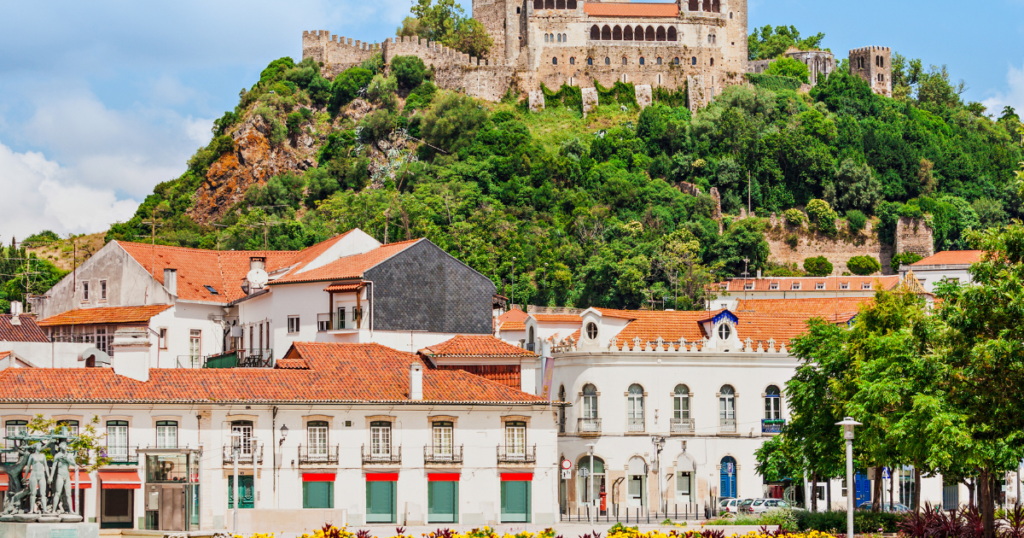
Let’s start with the city right on our doorstep. Tomar was once the home of the Knights Templar, and you can immediately see their influence at the Convento de Cristo, a magnificent monastery and castle towering above the city. Inside, you’ll find the famous Manueline window and the Charola, a remarkable circular Templar church that is hard to forget.
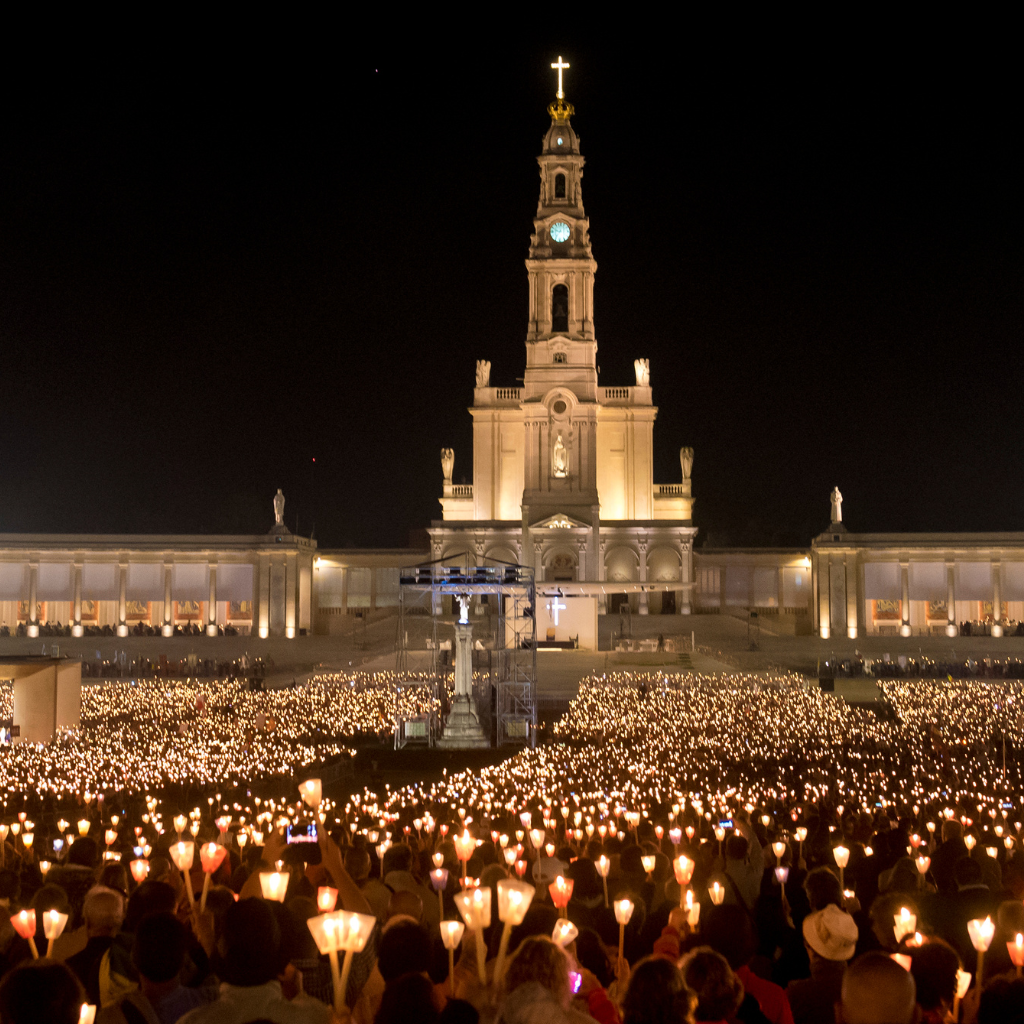
One of Europe’s most important pilgrimage destinations. Even if you’re not religious, the immense square at the Sanctuary of Fátima is an impressive sight — especially in the evening, when the candlelight procession takes place from May to October.
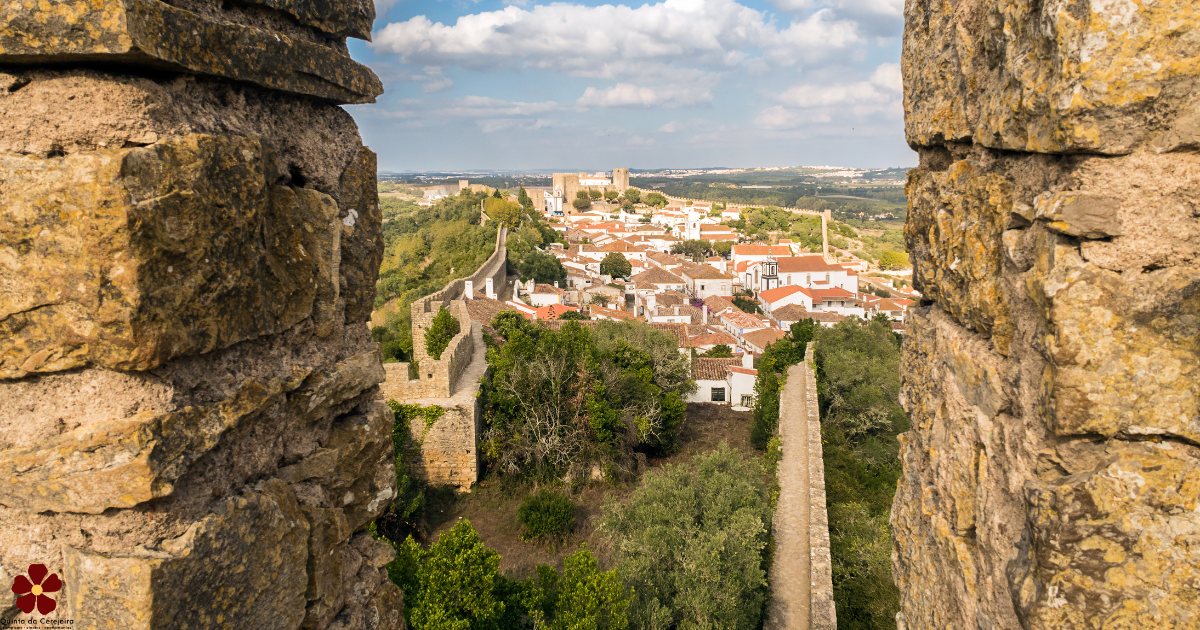
One of the most photogenic places in Portugal. Óbidos is a completely walled medieval town filled with whitewashed houses, colourful flowerpots and narrow streets that feel almost like an open-air museum. You can even walk along part of the old town walls for beautiful views across the rooftops.
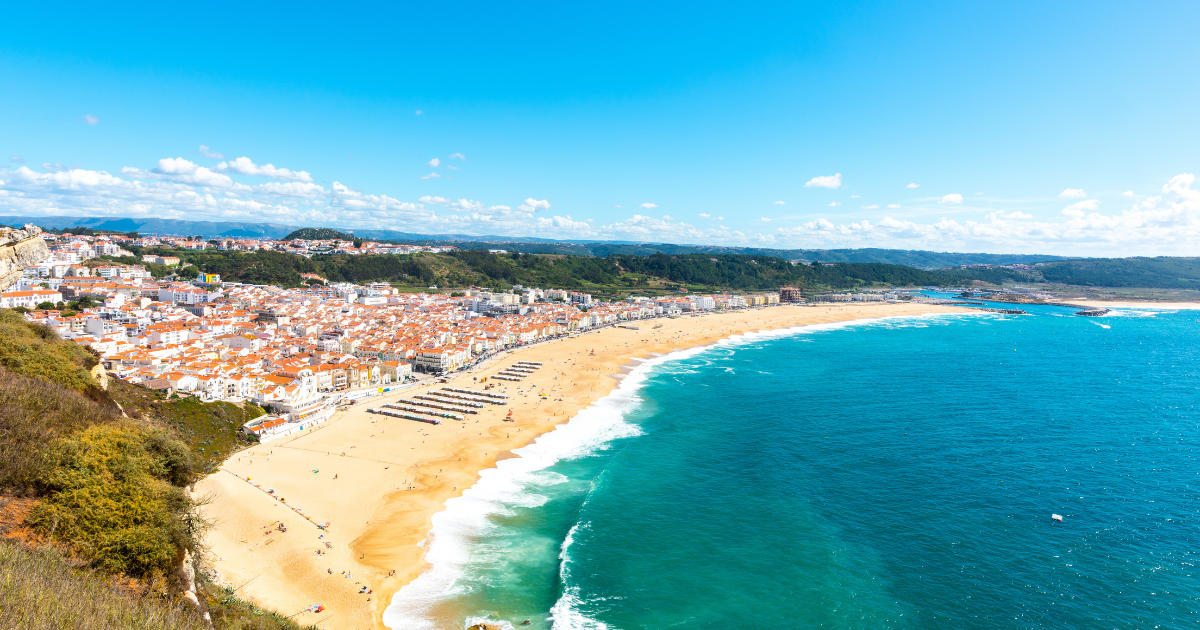
Famous for some of the biggest waves in the world, Nazaré attracts surfers from all over the globe who come to watch — or challenge — these incredible waves. But even if surfing isn’t your thing, Nazaré is well worth a visit: a traditional fishing town with a long sandy beach, great views and plenty of fresh fish restaurants.
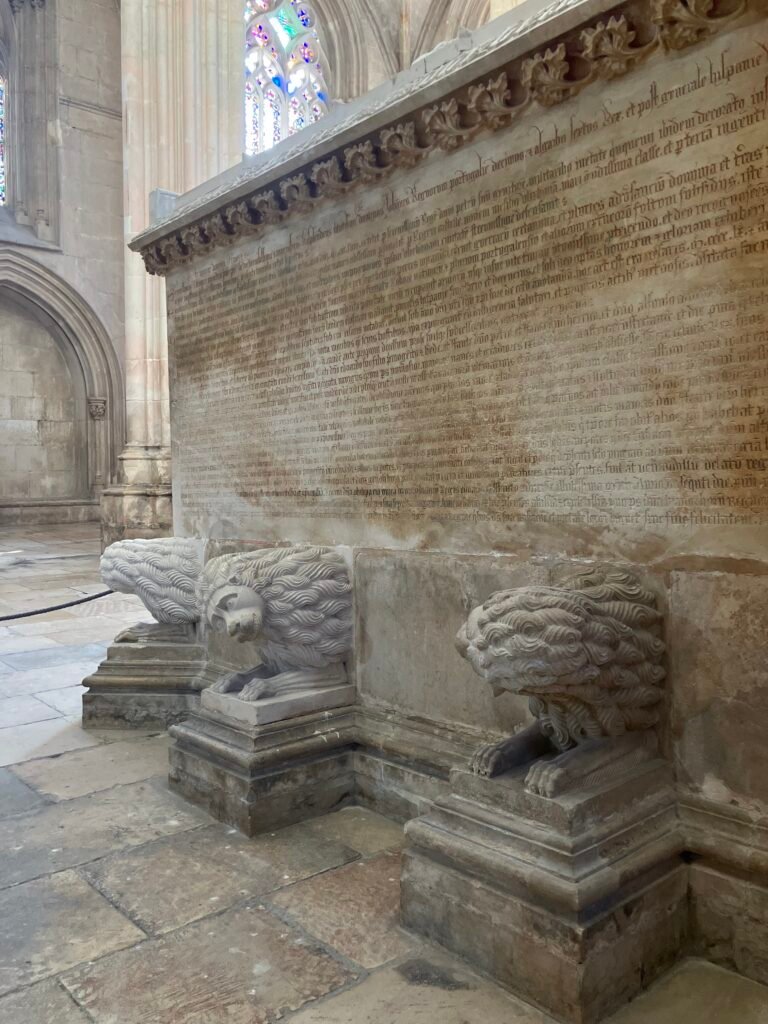
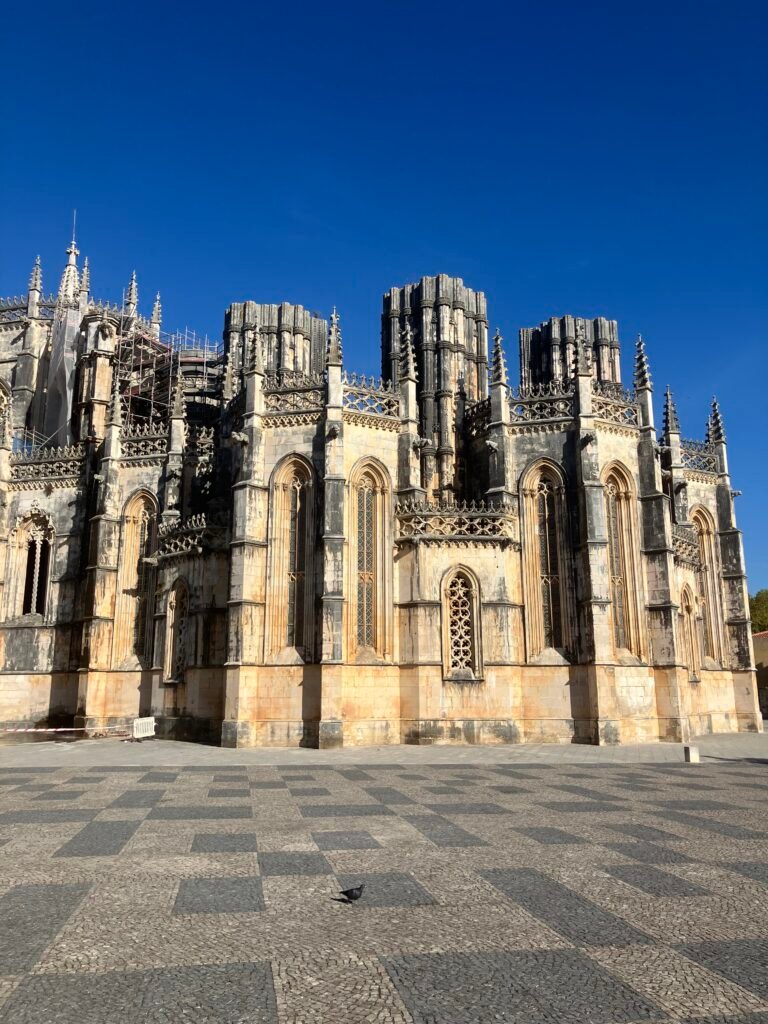
The third point of the monastery triangle. The Mosteiro de Santa Maria de Alcobaça is one of Portugal’s most impressive monasteries and is home to one of the country’s most beautiful — and tragic — love stories: the tombs of King Pedro I and his beloved Inês de Castro.
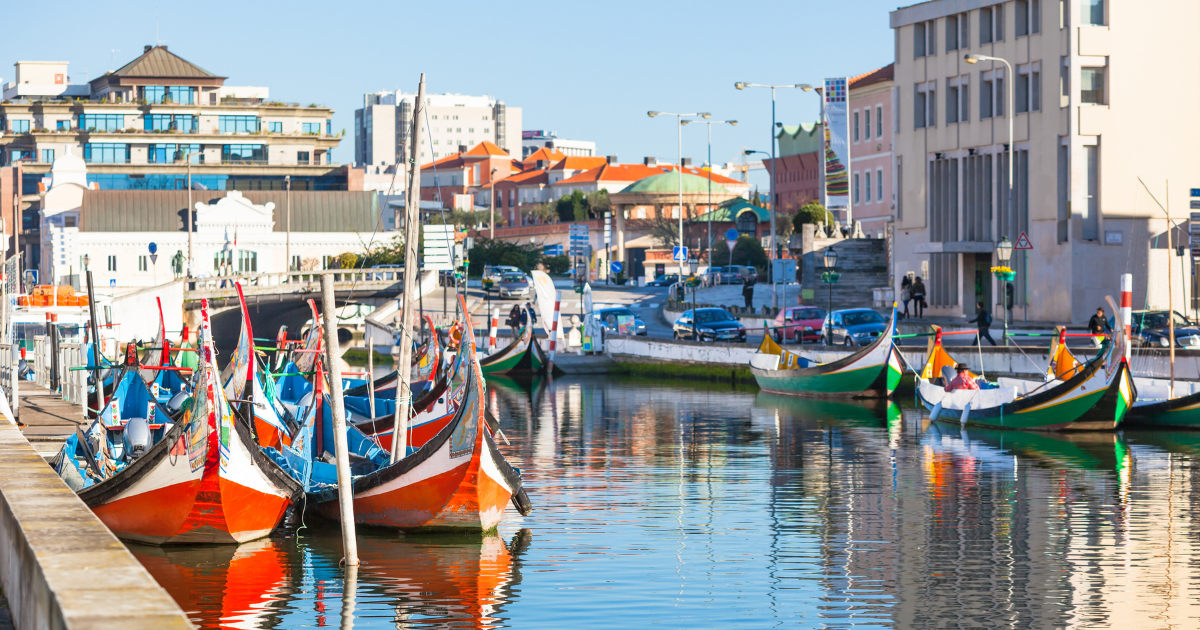
Often called “the Venice of Portugal”, thanks to its canals and colourful moliceiro boats. Aveiro is a little further away than the other destinations on this list, but makes a lovely full-day trip, especially when combined with Coimbra.
A lesser-known but beautiful combination. Constância is a charming whitewashed village situated where the Tagus and Zêzere rivers meet. Just a short distance away, you’ll find Castelo de Almourol — a medieval castle sitting dramatically on a small island in the middle of the river. You reach it by a small boat.
That’s a personal choice, but Coimbra and Óbidos are most often mentioned as absolute highlights — one for its historic university and lively atmosphere, the other for its beautifully preserved medieval character.
For most of these cities, having a car is recommended, as public transport in this region is limited. Tomar, for example, can easily be reached by bike.
Allow at least 5 to 7 days if you want to explore the main cities at a relaxed pace without having to spend every day travelling.
Absolutely. Regardless of its religious significance, the square and its architecture are worth seeing in their own right, and the atmosphere during the evening candlelight procession is a special experience for everyone.

Moving to Portugal? Arrange Your NIF, Residency & Bank Account First (Learn From Our Mistakes) Nobody warns you about this


N2 Route Portugal: Where to Stop, Sleep and Eat A Practical Guide (2025/2026) full of local tips! The N2 —